You're painting the people on this forum with a broad brush. You've also been here far too long to be perpetuating the myth that there is no middle ground between forcing the use of a fiat currency and establishing a gold standard.
And we've had constant banking panics since. 1919. 1929-1932-for a freaking decade. 1958. 1973 for nearly another decade. 1987. 2008 for yet another decade (don't go all Zippy on me and tell me the recessions didn't last that long--a modest amount of growth after falling into the bargain basement does not a recovery make). The fiat has not done one single solitary thing to prevent them, and has generally lengthened the recovery time greatly after they hit.
So?
Sooooo....
5 out of the 6 depressions in US history were in the gold era.
There has been one depression in the last 105 years and one "great recession".
You know what all of the depressions had in common?
In every single case, the government tried to run a sustained surplus (sustained 3+ years) right before they happened.
1817-1821: U. S. Federal Debt reduced 29%. Depression began 1819.
1823-1836: U. S. Federal Debt reduced 99%. Depression began 1837.
1852-1857: U. S. Federal Debt reduced 59%. Depression began 1857.
1867-1873: U. S. Federal Debt reduced 27%. Depression began 1873.
1880-1893: U. S. Federal Debt reduced 57%. Depression began 1893.
1920-1930: U. S. Federal Debt reduced 36%. Depression began 1929.
1998-2001: U. S. Federal Debt reduced 9%. Recession began 2001
In 1998-2000 US federal debt growth slowed to 1.4% annually (President Clinton’s surplus). A recession began in 2001
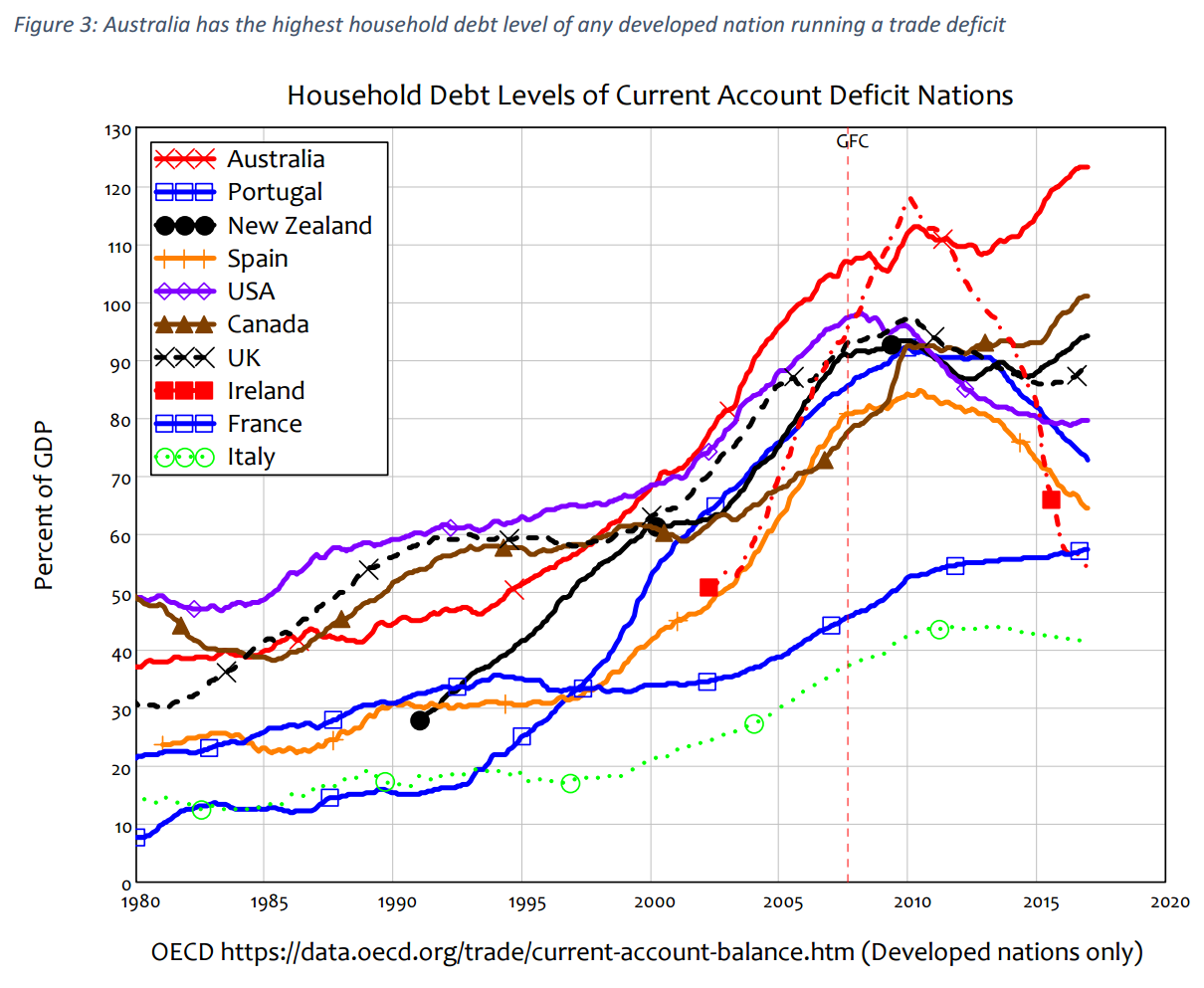
The last case is that of the 1998-2001 surplus. Compared to other attempts at debt reduction in the past it was extremely modest. Yet it was followed by the recession of 2001 which, as I'm sure you know was obscured by the internet frenzy that created the .com bubble which just encouraged wild speculative private sector borrowing and bank leverage followed by the even deeper housing bubble where Congress threw out the up-tick rule and Glass-Steagal and ignored the Commodities and Trade Commision and let the finance industry police itself through the rating agencies (privately companies that are funded by the industry they are supposed to rate) that were giving highest grades to junk assets....
That's just a short recap, but it wasn't paper money that
caused the problems of the GFC, it was greed and lack of oversight. It was the ideas that "markets regulate themselves" that caused the mess. They don't and they never will, it makes no difference if the money has intrinsic value or extrinsic value.
In conclusion, trying to run fiscal surpluses in a growing economy (growing in the sense that population and per-person productivity are increasing) causes a shortage of money, which causes unemployment and results in a lack of demand.
Despite what Austrians claim, salaries and prices are "sticky" and don't adjust as easily as they would like us all to believe. The result is unemployment as we saw in the years following the GFC.