Danke
Top Rated Influencer
- Joined
- Nov 6, 2007
- Messages
- 44,642
http://www.goldenrice.org/Content3-Why/why3_FAQ.php
Why not eat unmilled (brown) rice?
The natural oil-rich outer layers of the rice grain—the bran and the aleurone—are rich in some important nutrients, including vitamin B, and yet rice is generally consumed in its milled form, i.e. with the outer layers removed. If not removed, the oils in those layers undergo natural oxidation processes and the grain becomes rancid, affecting smell and taste very rapidly, particularly in tropical and sub-tropical climates. Milling improves the long-term storability of rice without loss of taste.
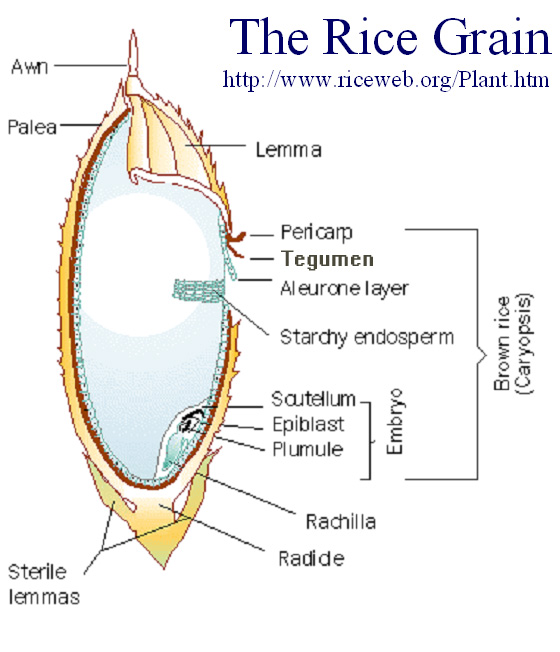
Most people prefer to eat white rice
White rice is the most commonly consumed form of rice. Golden Rice will be more like white rice in that it will be consumed as milled or polished rice. But as opposed to brown rice, it will be capable of providing its health benefits even after milling. Golden Rice grains have a pleasant bright yellow or orange colour, although its appeal in rural areas remains to be investigated. Coloured rice landraces are eaten in many places, and coloured spices, like saffron, are often part of traditional cuisine. Sensitive social educational programs will be an integral part of Golden Rice deployment. Rice varieties with superior agronomic characteristics, i.e. that grow and yield well, will be not less important for the farmers who will grow the rice. Hence the importance of introducing the trait from the genetically modified lines into varieties grown locally by farmers in VAD areas. The trait is transferred from one rice plant to the another using conventional breeding techniques.
Brown rice may be the panacea in modern farming. I'm just stating this vitamin deficiency was solved long before GMO crops.